LEED-NC Gold Certified


12,000 sf
$3.5 million budget
A facility for the Cancer Support community – Sarasota, Florida
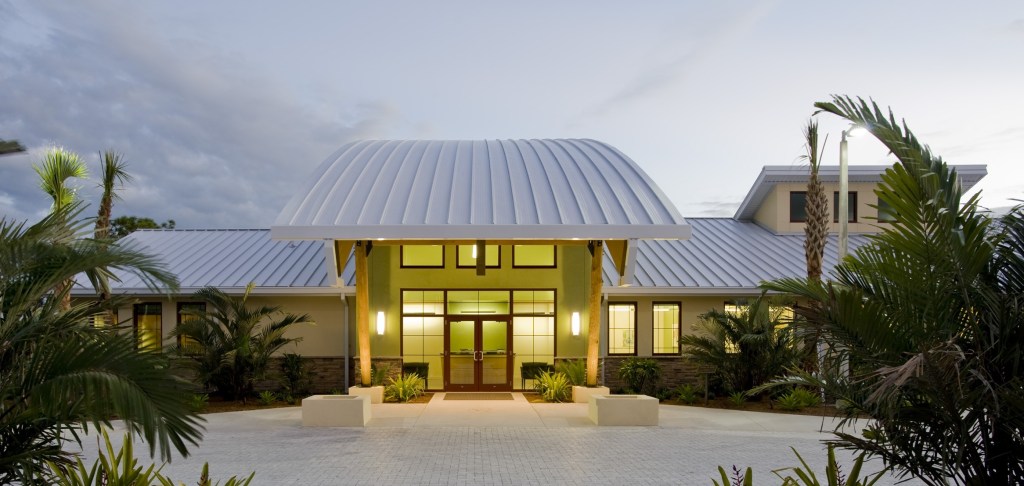
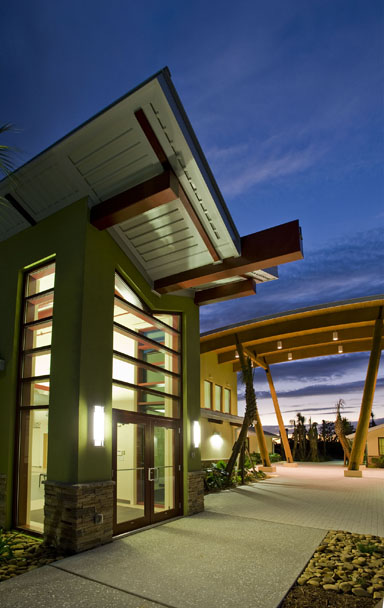
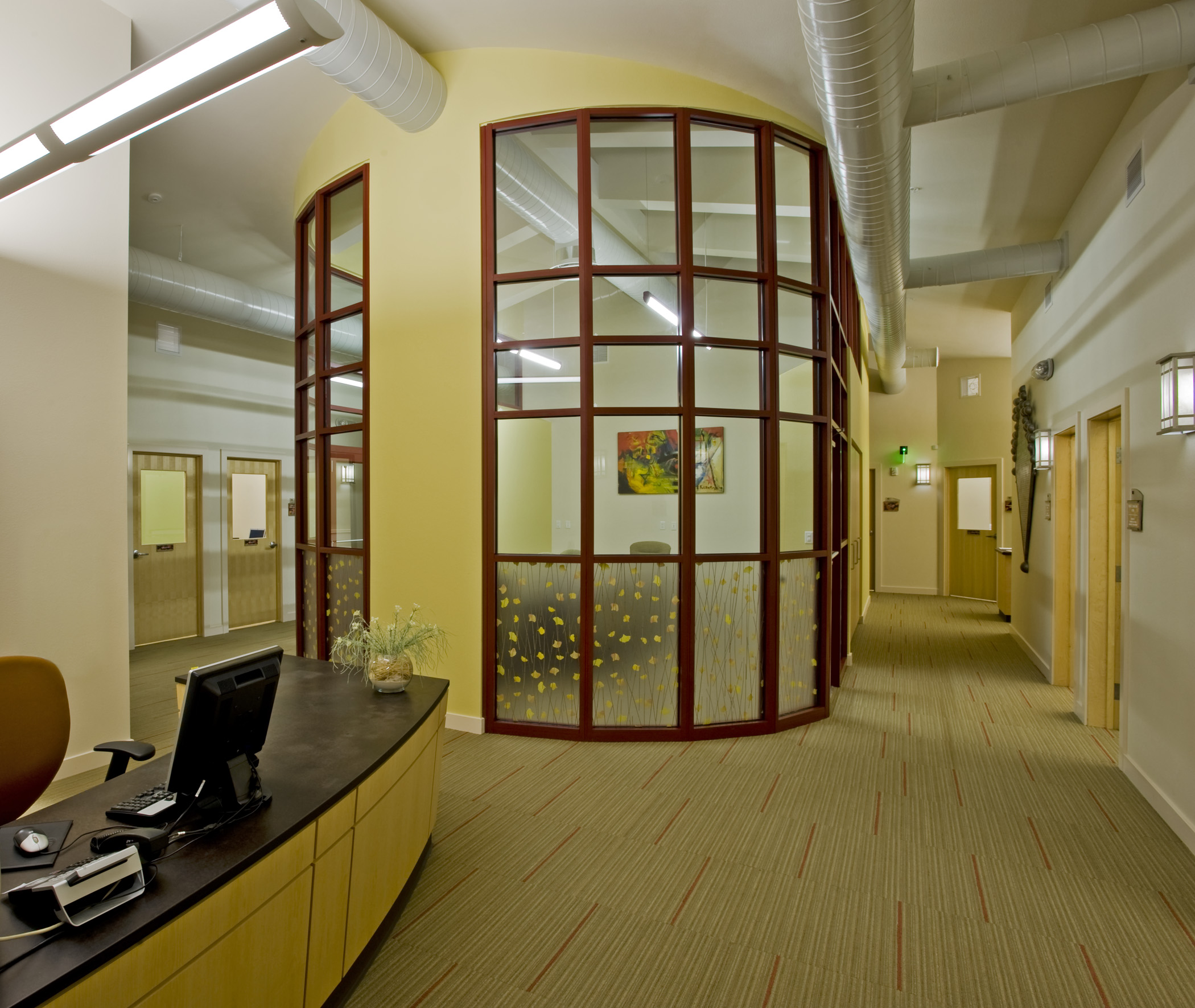
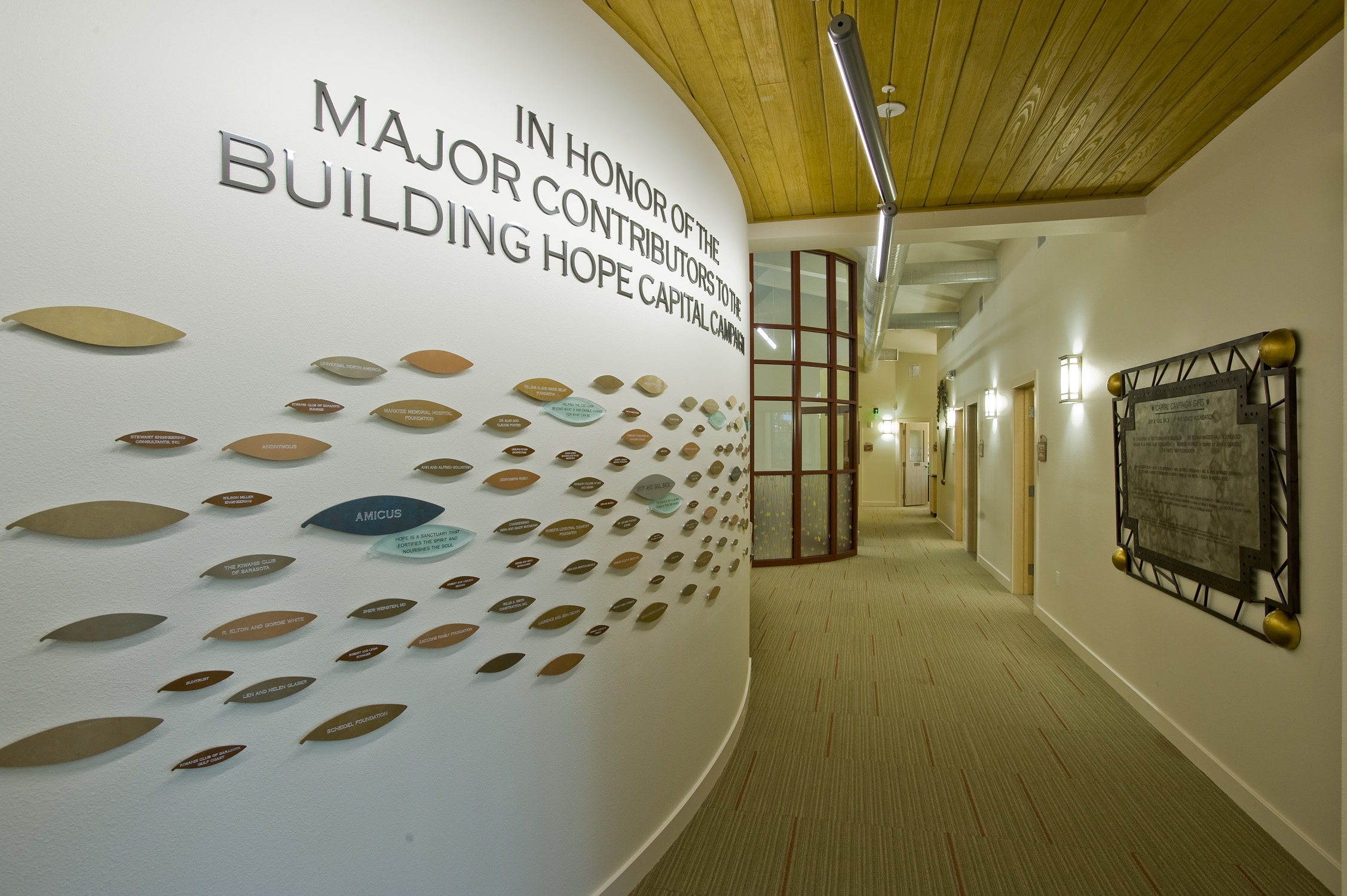
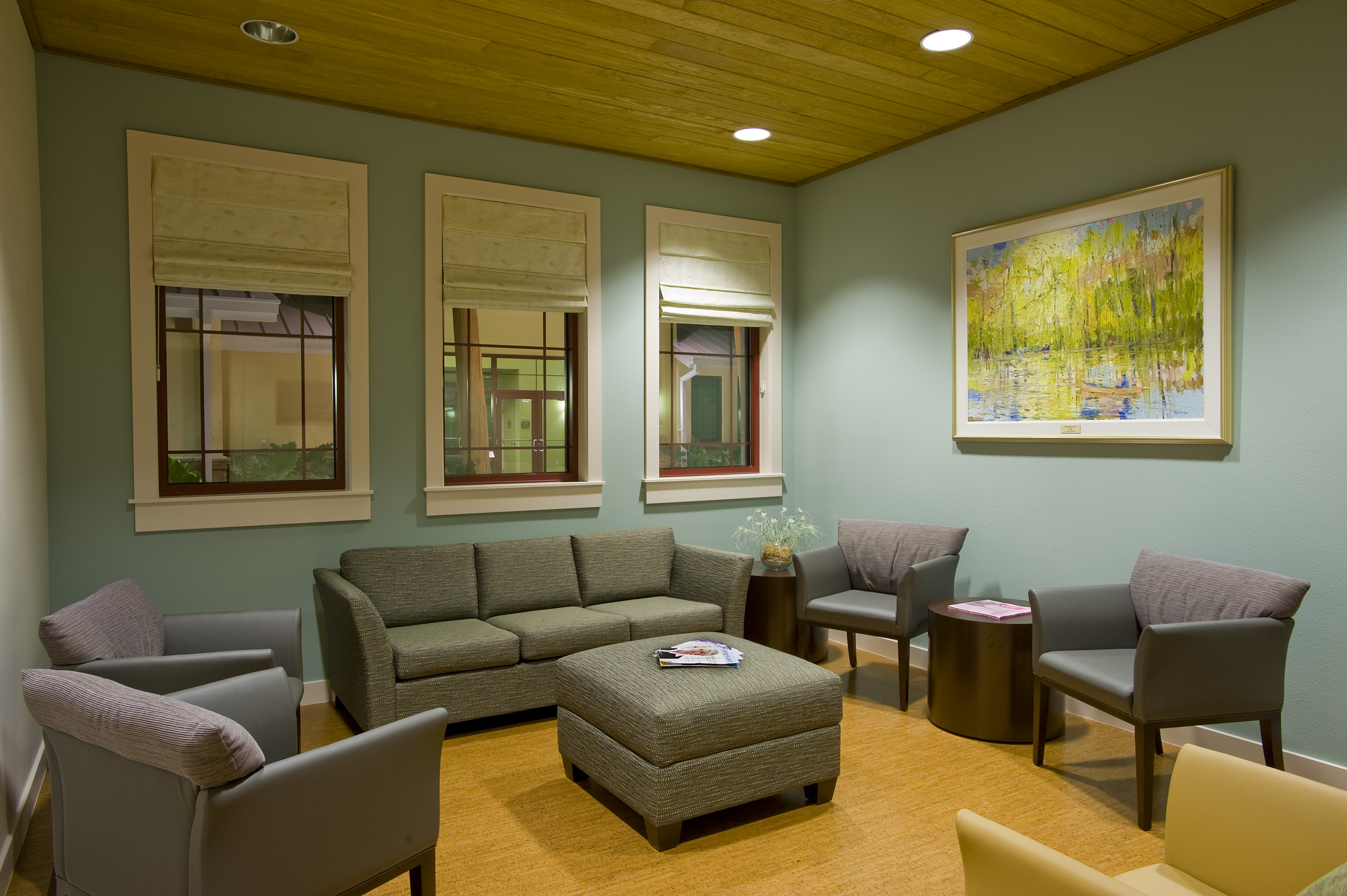
The facility was intentionally designed and constructed to deliver optimum care in the areas of psychological and social support to people affected by cancer – those with the disease as well as their loved ones and caregivers. The facility has already become an international model for serving as an optimal healing environment that integrates art, architecture, interior design and sustainability. the interiors of the project were designed in collaboration with Ringling College of Art and Design. The project has won multiple awards and recognition since its completion, including the LEED NC project of the year from the USGBC Florida Gulf Coast Chapter of the USGBC.
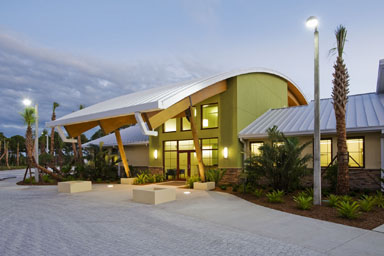
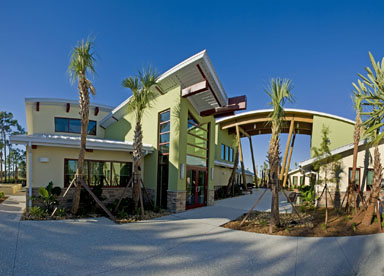
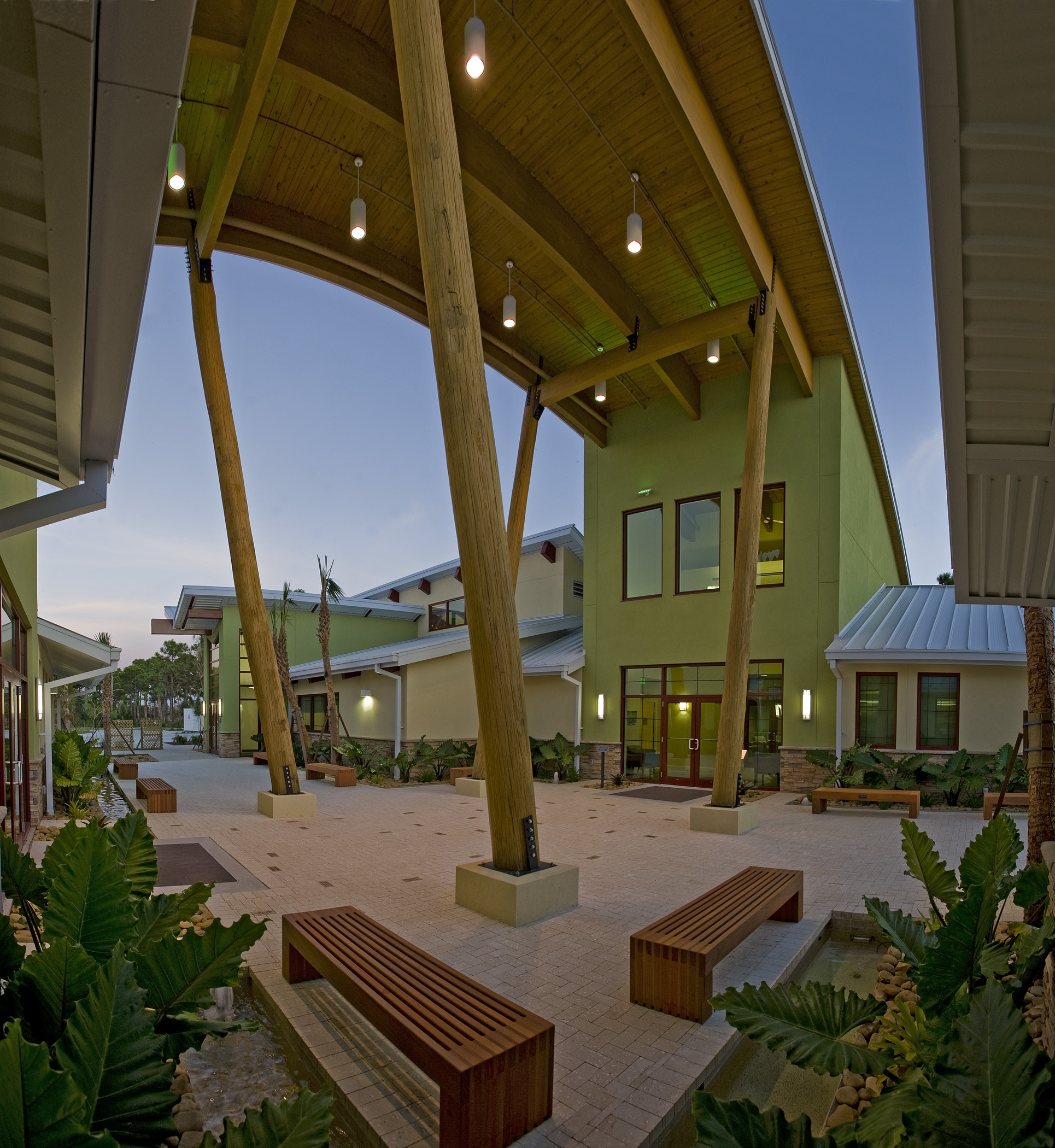
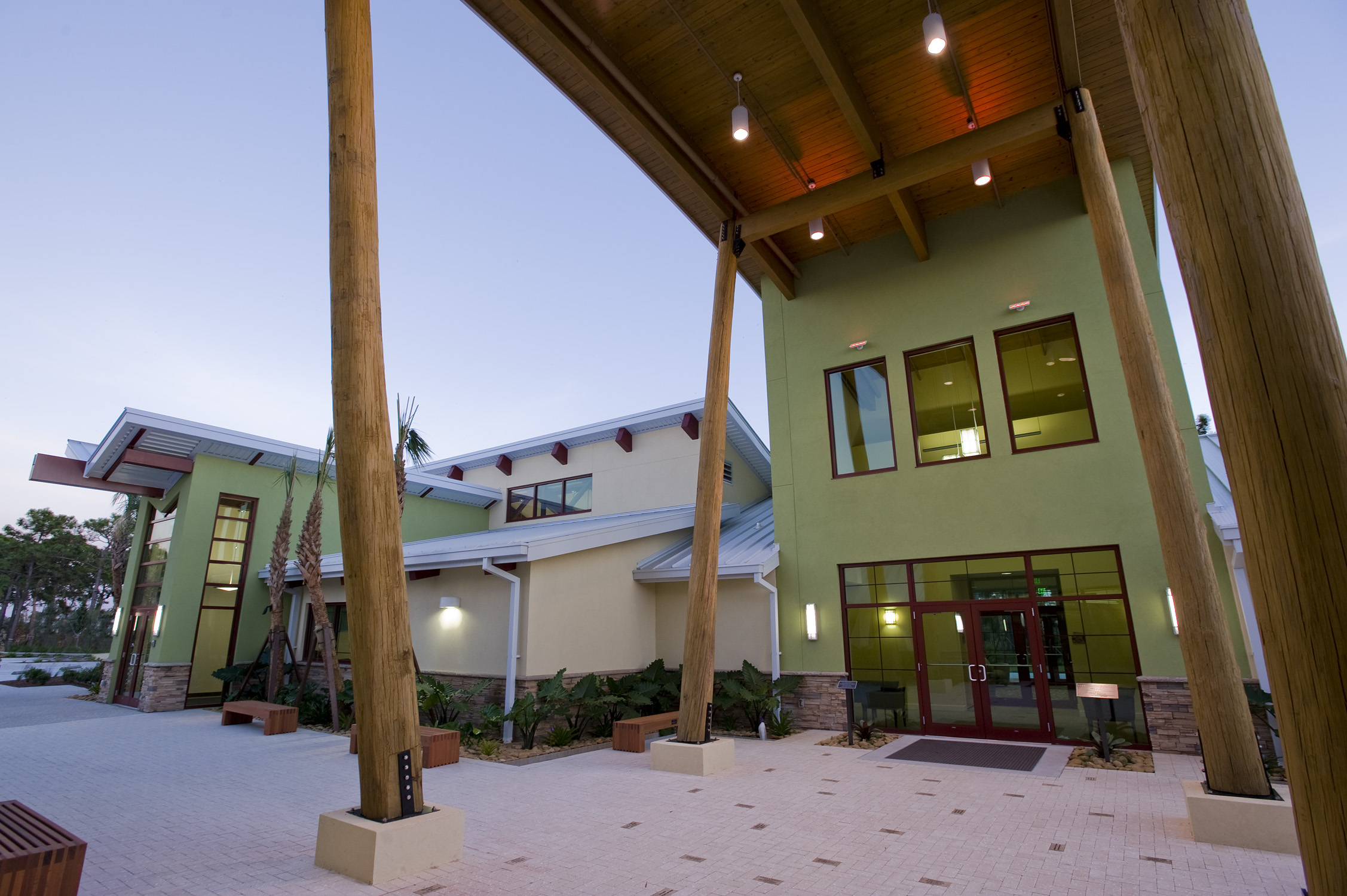
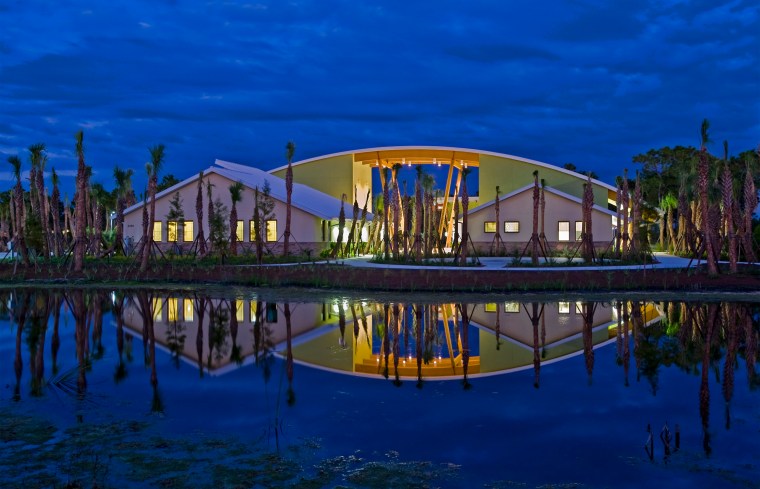
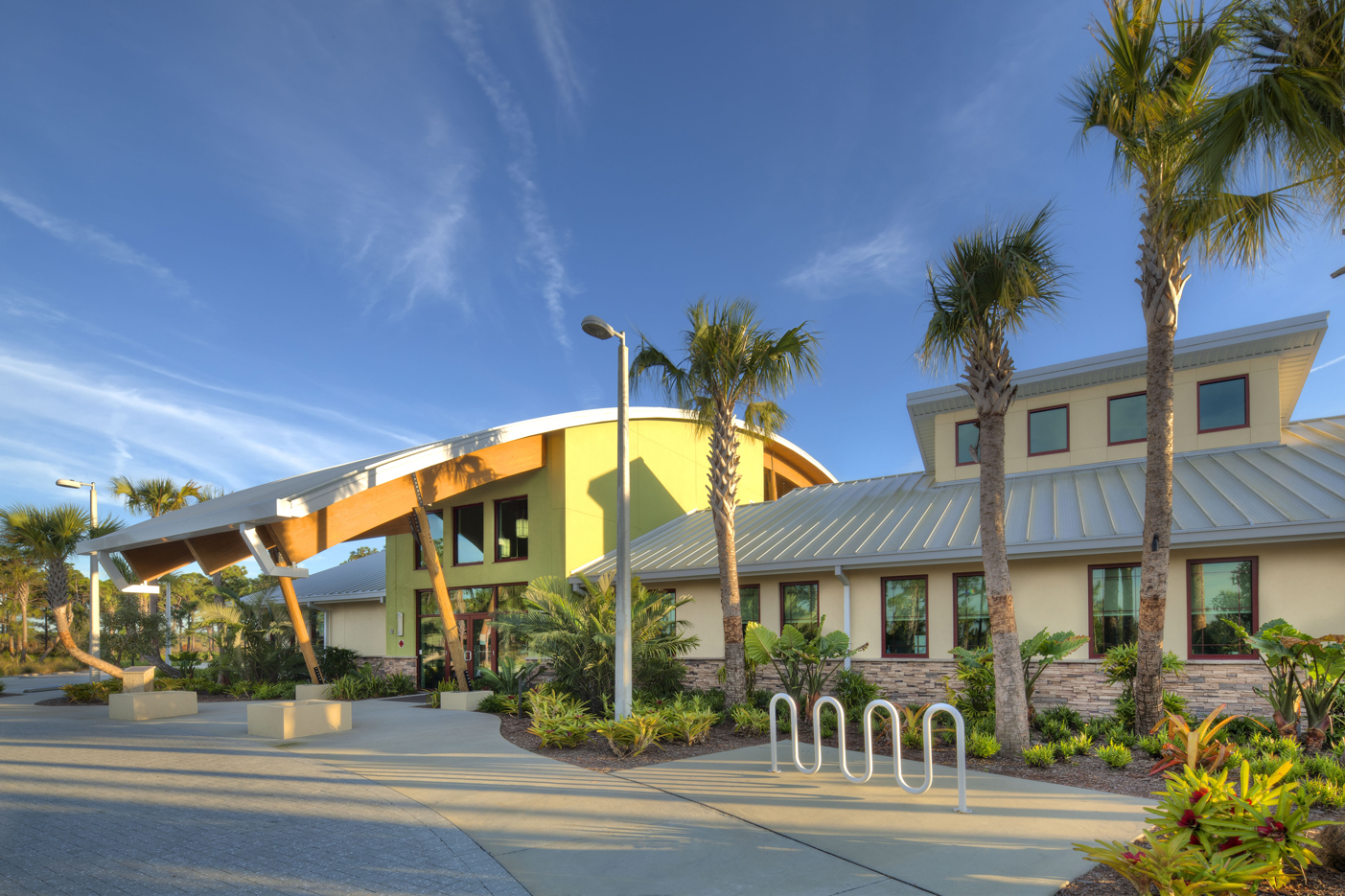
The prominent arch stretching across the facility serves as an inspiring design element but also offers a compelling story of history and hope. Known as the “Bridge of Hope,” the arch connects the 2 pavilions and is a tangible testament of hope to all who enter. The abstract form allows for interpretation about what the symbol represents to each individual. The arch is a traditional design element signifying strength and permanence. Visitors gain an empowering sense of comfort from the structural strength when walking beneath the arch. The arch is supported by 8 pillars that are old Florida Pine tree trunks originally harvested more than 100 years ago. During transport, logs would frequently be lost along the way and sink to the bottom of the Suwannee River. This environment actually preserved the timber until it could be reclaimed recently for this project.
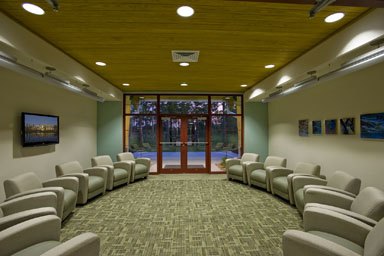
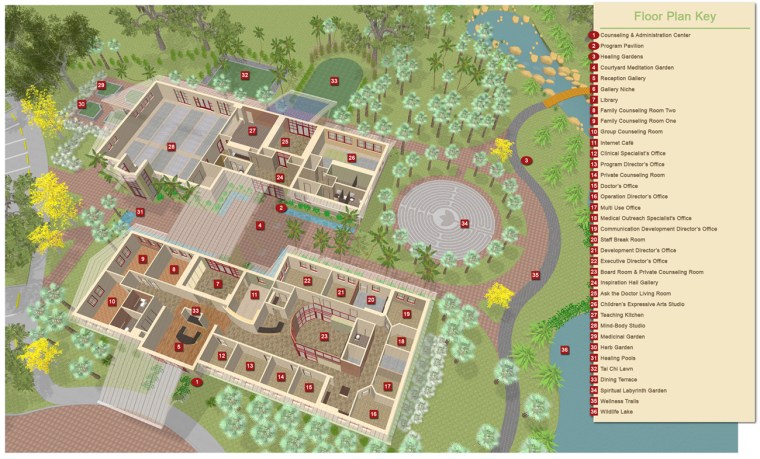
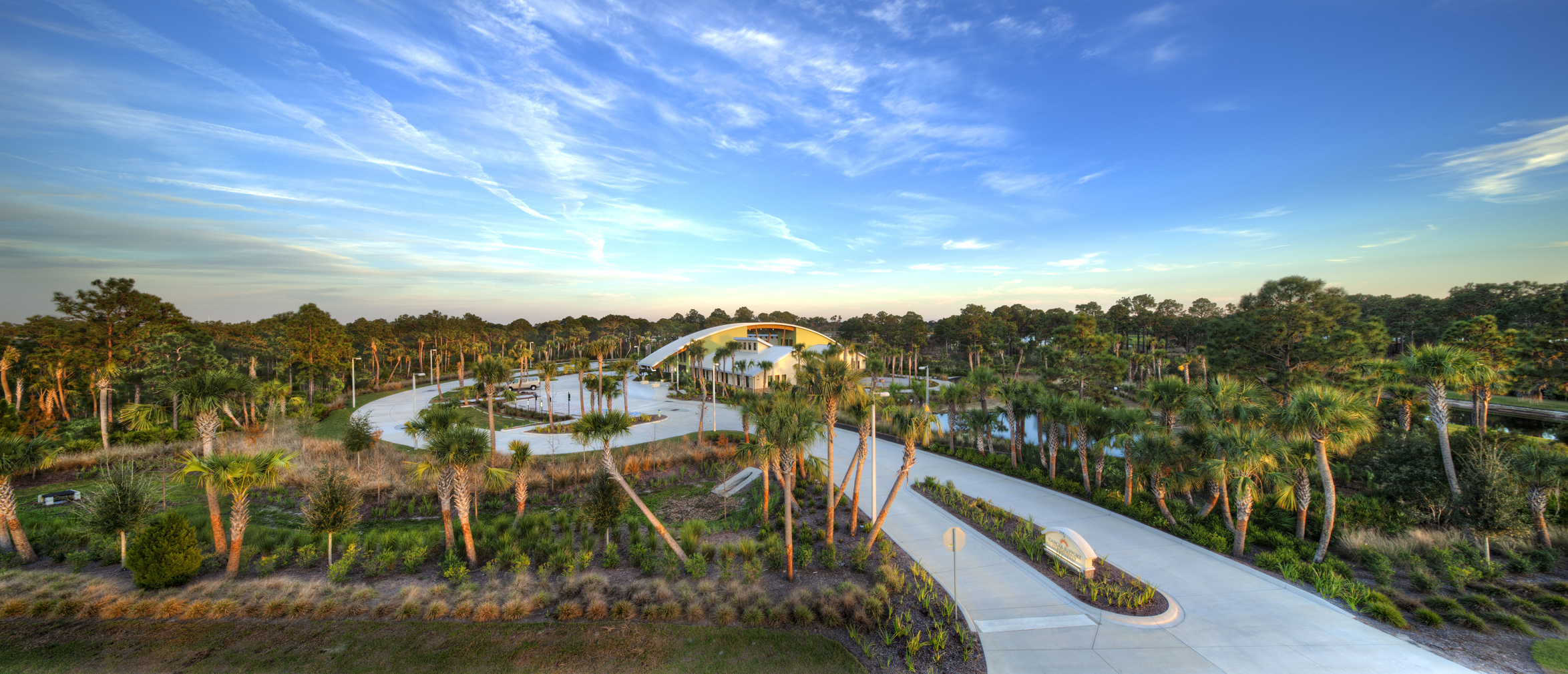
The architecture challenges were to create a healthy space showcasing natural materials that would seamlessly blend indoor space with outdoor space by allowing interaction with the natural environment from the building’s interiors. The building extends into landscaped outdoor spaces, which provide program elements such as Tai Chi lawns, a dining terrace, central courtyard, and healing gardens.
Evidence-based design was utilized extensively throughout the integrated project design process. Through its unique approach, evidence-based design synthesized input from the design team, users, volunteers, donors and stakeholders to establish measurable objectives in seven key areas: strategic plan, client outcomes and satisfaction, healing elements, staff satisfaction and effectiveness, sustainable design, operational efficiencies and financial performance. The design response for these key objectives is defined along with the metric goal, as well as the specific evidence or basis for the design response.
Program elements include a joint library and internet cafe for clients to research and learn about cancer, treatments, and positive healing philosophies. The library is at the heart of the administration pavilion with a direct connection to the courtyard and exterior spaces. also a large multi-purpose and children’s art room occupies the program pavilion, providing unlimited flexibility of use.
FLOOR PLAN
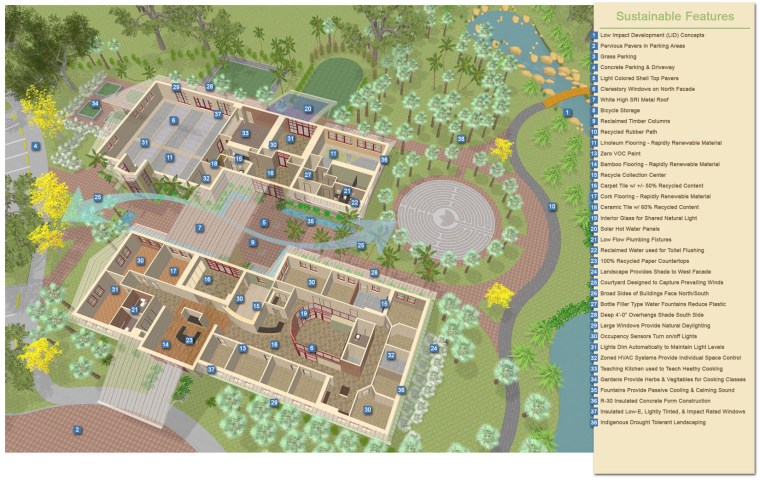
SUSTAINABLE FEATURES
COURTYARD IMAGES BELOW

INTERIORS BELOW




 Michael R. Carlson, Architect