Trends in sustainable architecture
Talking about trends in sustainable architecture is a slippery slope. Many of the “trends” are simply the re-discovering of good design that worked well before we had so much technology to overcome poor design. That IS a plug for proven passive design solutions, but it IS NOT a criticism of technology. We need to utilize both passive and active design solutions. That is the strength of integrative design- to be able to look at entire systems holistically and use the best of passive and active design solutions to obtain the optimum results. The following ideas are not new, but they are some of the ideas that are “top of the mind” in sustainable design today.
These ideas and concepts go above and beyond green building rating systems and seeking individual credits, although they are at least some of the thoughts behind some of the credits. Here are 4 ideas that are gaining momentum in sustainable design today and for the future.

Resiliency
Resilience: Def. Noun
- the capability of a strained body to recover its size and shape after deformation caused especially by compressive stress
- an ability to recover from or adjust easily to misfortune or change
The Resilience Alliance http://www.resalliance.org/ defines resilience as the capacity of a system to absorb disturbance and reorganize while undergoing change so as to still retain essentially the same function, structure, identity, and feedbacks.
A sustainable building needs to adapt over its life to changing conditions, and its life must be a long one. It needs to adapt to changes in climate, temperature, rainfall, sea level, flood patterns, advancements in building technologies such as heating and cooling systems, functional changes by the users, etc. It needs to be tough and flexible at the same time.
Biophilia
Def. Noun- 1. a love of life and the living world; the affinity of human beings for other life forms.
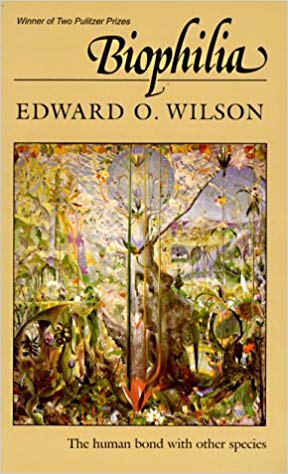
The biophilia hypothesis suggests that there is an instinctive bond between human beings and other living systems. Edward O. Wilson introduced and popularized the hypothesis in his book, Biophilia (1984). He defines biophilia as “the urge to affiliate with other forms of life”. http://en.wikipedia.org/wiki/Biophilia_hypothesis
Whether or not we have thought about this concept, we know it. We enjoy being in the natural environment. When we cannot be in it, we enjoy looking at it from our balcony or through our window. The sun light and shadows that move across a space change the space constantly in a predictable way that is dynamic, full of life, and still comforting. We love the sound of the rain. We love the smell of the forest. The integration of our built world into the natural world is so important.
Net Zero Energy
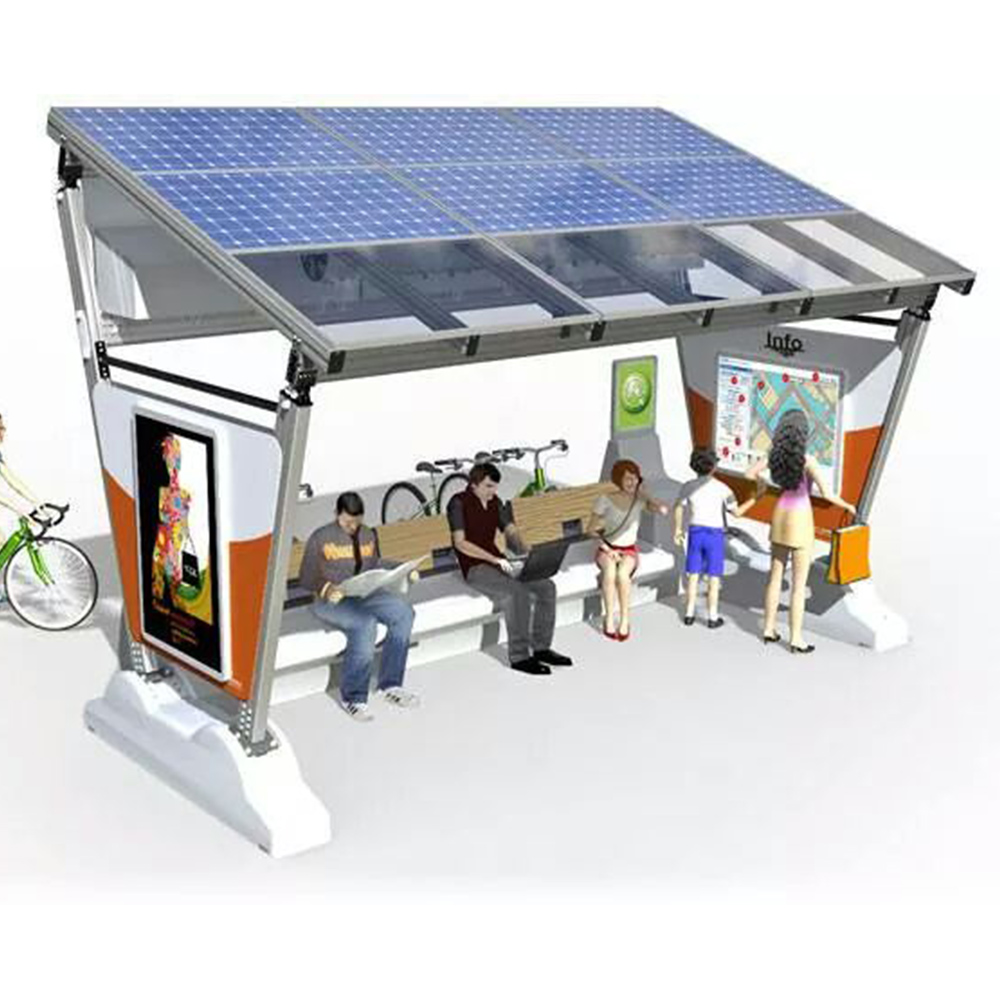
A net zero building, is a building with zero net energy consumption, meaning the total amount of energy used by the building on an annual basis is roughly equal to the amount of renewable energy created on the site. http://en.wikipedia.org/wiki/Zero-energy_building
The Living Building Challenge has its own Net Zero Energy Building Certification http://living-future.org/netzero
The Whole Building Design Guide also has a Net Zero Energy Building resources http://www.wbdg.org/resources/netzeroenergybuildings.php
We certainly must get to net zero energy building design by 2030. Many countries in Europe will get there much faster. This is a goal we can achieve step by step. Each building we design, or commission (as an owner or investor) to be built must be more energy efficient than the last one. And it must make significant leaps, not just tiny incremental improvements. Net Zero Energy Buildings are doable NOW. We can gain great efficiencies with thoughtful, integrated building design and technologies that can get us 60-80% more efficient than the codes require, and we can supplement the remaining energy needs with renewable energy sources harvested right at our building site, using PV, solar thermal, geothermal, wind, or whatever is available at the project location.
Biomimicry
The Biomimicry Institute http://biomimicry.org/ defines biomimicry as
“Biomimicry is an approach to innovation that seeks sustainable solutions to human challenges by emulating nature’s time-tested patterns and strategies.”
Janine M. Benyus’ book, Biomimicry Innovation Inspired by Nature published in 1997 got the whole idea started in the US.
The Whole Building Design Guide also has Biomimicry resources at
http://www.wbdg.org/resources/biomimicry.php
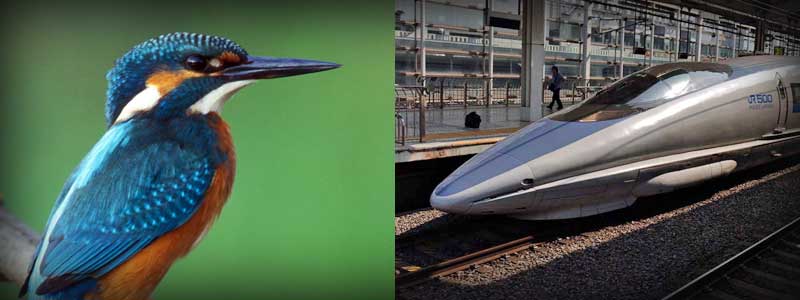
This is a wonderful concept that is being utilized in the design of many different things, from carpets, to aerodynamic shapes for the front of vehicle, to building design. It is using the lessons from nature- lessons that have been learned and proven over millennium- and applying those lessons to solve problems we face in design.
 Michael R. Carlson, Architect